
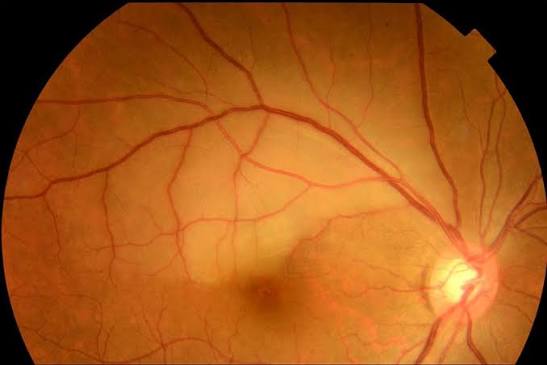
A retinal artery occlusion (RAO) occurs when blood flow through one of the arteries supplying the retina becomes blocked. Because the retina depends on a constant blood supply to function, this blockage can lead to sudden and severe vision loss. Retinal artery occlusions are often compared to a “stroke in the eye.”
Underlying health conditions—such as high blood pressure, high cholesterol, cardiovascular disease, diabetes, or certain blood disorders—can increase the risk of RAO.
Request an AppointmentBranch Retinal Artery Occlusion (BRAO) occurs when one of the smaller arteries in the retina becomes blocked. Symptoms often include sudden loss of part of the visual field, typically affecting only the area supplied by the blocked artery. Some vision may return over time, depending on the extent of the damage.
Central Retinal Artery Occlusion (CRAO) is more severe and occurs when the main retinal artery becomes blocked. This can cause sudden, painless, and significant vision loss in one eye. Immediate medical evaluation is critical, as CRAO is often associated with vascular or cardiac conditions that may also put a patient at risk for stroke.
Retinal artery occlusions are most commonly caused by:
- Emboli (cholesterol, calcium, or blood clots traveling through the bloodstream)
- Atherosclerosis (hardening of the arteries)
- Carotid artery disease
- Heart disease or arrhythmias
- Inflammatory conditions, such as giant cell arteritis
Smoking, advanced age, and systemic vascular disease also increase risk.
There is currently no proven, consistently effective treatment for restoring vision after a retinal artery occlusion. However, early interventions may be attempted within a very short time window to improve blood flow.
Long-term management focuses on identifying and treating the underlying vascular causes to prevent future events. Steps may include:
- Managing high blood pressure, cholesterol, and diabetes
- Treating carotid artery or cardiovascular disease
- Starting antiplatelet therapy if recommended by your physician
- Addressing lifestyle factors such as smoking
Following an RAO, regular follow-up with your ophthalmologist and primary care doctor is essential. Monitoring vascular health reduces the risk of additional eye or systemic complications. If you notice sudden changes in your vision, please contact our clinic right away to schedule an appointment.