
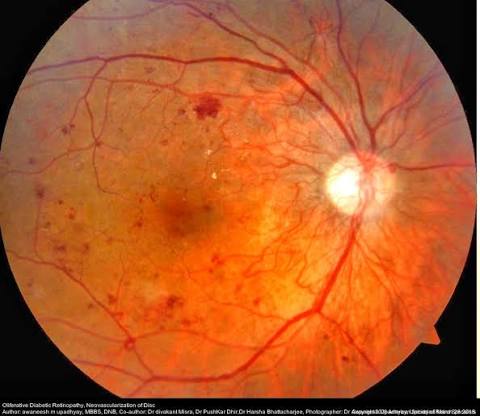
Diabetic retinopathy is a common eye condition that occurs when long-term diabetes damages the small blood vessels in the retina—the light-sensitive tissue at the back of the eye. These weakened vessels may leak blood or fluid, which can affect vision. Although diabetic retinopathy can lead to vision loss, early detection and treatment significantly reduce the risk of permanent damage.
Request an AppointmentNonproliferative Diabetic Retinopathy (NPDR)
NPDR is the early stage of diabetic retinopathy. During this stage, tiny retinal blood vessels may leak or become blocked, causing the retina to swell. Many people with diabetes develop some degree of NPDR, and mild cases often do not affect vision. When vision is affected, it is usually due to:
Macular Edema
Macular edema occurs when fluid leaks into the macula—the part of the retina responsible for sharp central vision. This swelling is the most common cause of vision loss in diabetic retinopathy. Vision may become blurry or distorted. Treatment often includes eye injections with medication that help reduce swelling and improve vision.
Macular Ischemia
Macular ischemia develops when blood flow to the macula is reduced because the tiny vessels supplying it have closed off. Without adequate blood supply, the macula cannot function properly, leading to blurred or decreased vision. There are currently no direct treatments for macular ischemia, making early detection especially important.
Proliferative Diabetic Retinopathy (PDR)
PDR is the more advanced stage of diabetic retinopathy. When the retina does not receive enough oxygen, it responds by growing new blood vessels. These vessels are fragile and abnormal, and they can bleed easily.
Vitreous Hemorrhage
If the abnormal vessels bleed, blood can enter the vitreous—the clear gel that fills the eye. This may cause sudden floaters, clouded vision, or significant vision loss. Small hemorrhages may clear on their own, but larger ones may require surgical treatment if they do not resolve.
Scar Tissue and Retinal Detachment
New blood vessel growth can also lead to scar tissue formation. As this scar tissue contracts, it can pull on the retina, increasing the risk of a retinal detachment. Retinal detachment can lead to severe and permanent vision loss if not treated promptly.
Importance of Regular Eye Exams
The early stages of diabetic retinopathy often cause no symptoms. A comprehensive dilated eye exam is the only way to detect changes before vision is affected. Depending on your exam findings, your ophthalmologist may recommend additional tests such as retinal imaging or optical coherence tomography (OCT).
People with diabetes should have a dilated eye exam at least once a year, or more frequently if recommended. Good control of blood sugar, blood pressure, and cholesterol can significantly reduce the risk of eye complications. Pregnant patients with diabetes should be monitored closely, as retinopathy can progress more quickly during pregnancy.
Please contact our clinic if you notice any changes in your vision, experience new symptoms such as floaters or sudden blurring, or have any questions about your eye health. Early evaluation and treatment are key to protecting your sight.