
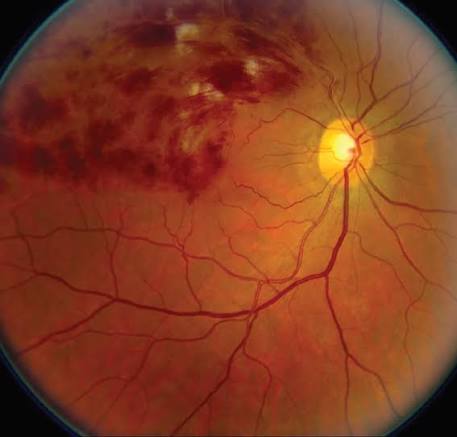
High blood pressure and other vascular diseases are widely known to impact overall health—but many people don’t realize they can also affect vision. When the veins in the eye are damaged, retinal vein occlusions can occur. These conditions are more common in people with high blood pressure, glaucoma, diabetes, age-related vascular disease, or certain blood disorders.
Request an AppointmentBranch Retinal Vein Occlusion (BRVO) happens when one of the smaller veins in the retina becomes blocked. This blockage causes the vessel walls to leak, allowing excess fluid to collect in the retina. If fluid builds up in the macula—the part of the retina responsible for central vision—blurry vision often results. When a larger area is affected, abnormal new blood vessels may form, sometimes causing bleeding inside the eye.
Central Retinal Vein Occlusion (CRVO) occurs when the main retinal vein becomes blocked. This type is often more severe. When fluid and blood leak from the vessel, painful pressure and significant vision changes can occur.
There is no cure for retinal vein occlusions, but early evaluation is crucial. Treatment begins with identifying the underlying cause of the blockage.
Your ophthalmologist may recommend:
- Observation, since small hemorrhages or fluid buildup may resolve on their own
- Medication injections into the eye to reduce swelling and treat damage
- Laser treatment to shrink abnormal blood vessels that may bleed or increase eye pressure
If you have experienced a retinal vein occlusion, regular follow-up visits with your ophthalmologist are essential. Monitoring helps protect your vision and allows timely treatment if changes occur. If you have concerns about your vision or would like to schedule an appointment, please contact our clinic. We are here to help protect your sight and answer any questions you may have.